What Is Remote Fuel Monitoring and How Does It Work?


Created Date
24 July , 2026
INTRODUCTION
What Is Remote Fuel Monitoring and How Does It Work?
Managing fuel across active construction projects is not as simple as checking tank levels at the end of the day. Contractors operating multiple machines, crews, and job sites need accurate, real-time visibility into fuel usage to avoid downtime, reduce waste, and improve operational planning.
That is why more construction companies across Tinton Falls, Eatontown, Long Branch, Oceanport, Red Bank, Neptune, Newark, and Paterson are implementing remote fuel monitoring systems as part of their fueling operations.
Remote fuel monitoring allows contractors to track fuel levels, usage patterns, and delivery needs without relying on manual inspections or inconsistent reporting. Combined with structured bulk fuel delivery and on-site fueling, it creates a more efficient and controlled fuel management system for commercial operations.
Super Quality Oil supports contractors across New Jersey and New York City with fuel management services, bulk fuel delivery services, fuel tank rental services, and on-site fueling solutions designed for construction and industrial projects.
What Is Remote Fuel Monitoring?
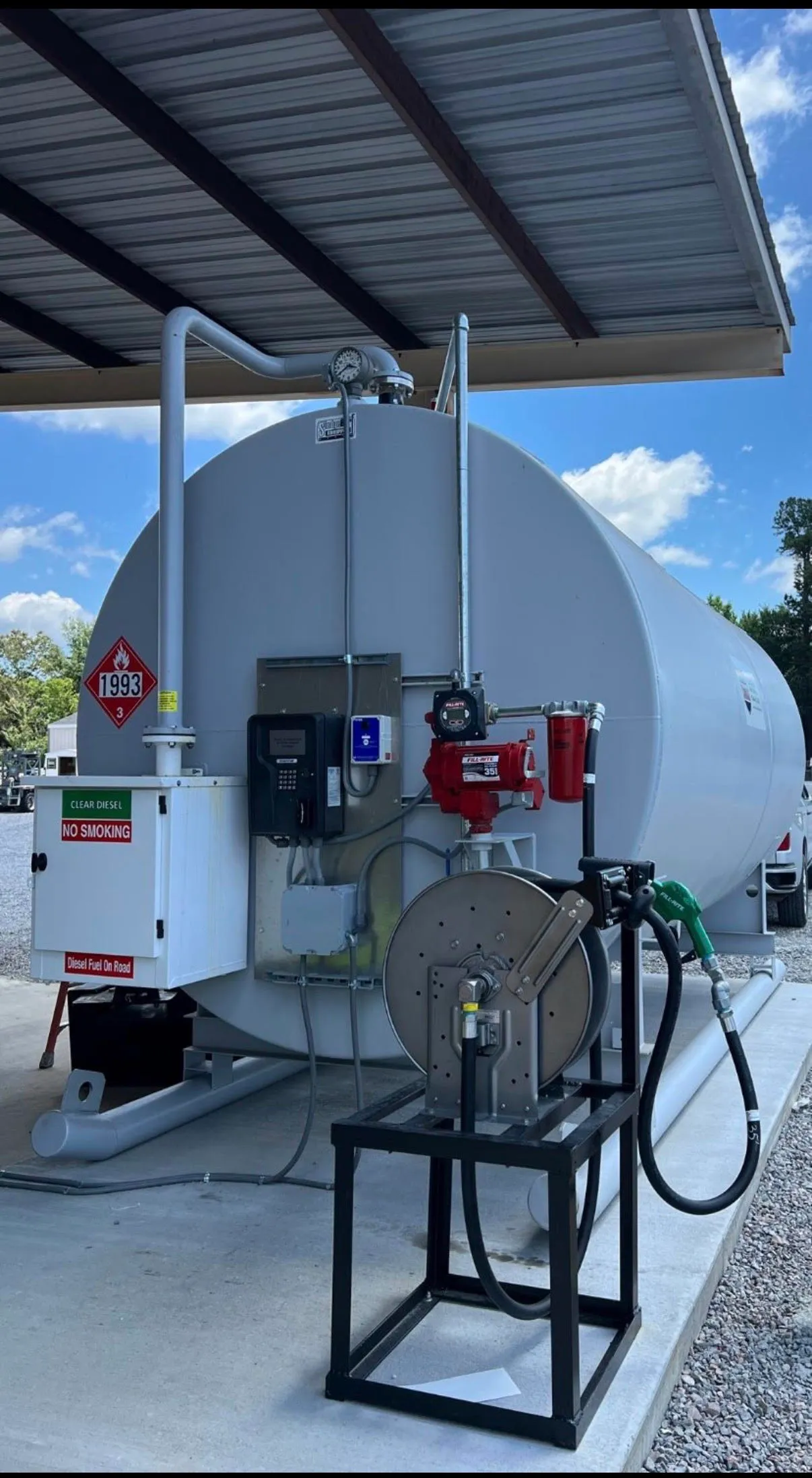
Remote fuel monitoring is a system that tracks fuel inventory and usage through digital sensors and reporting technology installed on fuel storage tanks.
Instead of manually checking fuel levels, contractors can monitor:
- Current fuel levels
- Fuel usage trends
- Refill timing
- Sudden inventory changes
- Multi-site fuel activity
This information is accessible remotely, allowing project managers and operations teams to maintain visibility across one or multiple job sites.
For contractors managing operations throughout Monmouth County and North Jersey, this level of control significantly improves fuel planning and operational efficiency.
Why Manual Fuel Tracking Creates Problems
Many construction companies still rely on manual fuel tracking methods.
This often includes:
- Visual tank inspections
- Paper logs
- Operator estimates
- Reactive fuel ordering
While these methods may work temporarily on smaller projects, they become unreliable as operations scale.
Common problems with manual tracking include:
- Inaccurate fuel readings
- Unexpected shortages
- Over-ordering fuel
- Missed delivery timing
- Limited visibility across multiple job sites
Projects operating near high-activity areas like Route 35, Route 18, and the Garden State Parkway often require tighter operational coordination, making manual systems inefficient.
How Remote Fuel Monitoring Works
Remote monitoring systems are designed to automate fuel tracking and improve visibility.
1. Sensors Monitor Fuel Levels
Sensors are installed inside fuel storage tanks to continuously measure fuel volume.
These sensors track:
- Current inventory levels
- Fuel movement
- Refill activity
- Usage rates
This eliminates the need for manual tank inspections.
2. Data Is Transmitted in Real Time
The system sends fuel data digitally to monitoring software or dashboards that can be accessed remotely.
This allows contractors to monitor fuel activity across projects in:
- Tinton Falls
- Eatontown
- Long Branch
- Newark
- Paterson
- Multiple active job sites simultaneously
3. Alerts Notify Contractors of Fuel Changes
Many systems include automatic alerts when:
- Fuel levels become low
- Fuel usage spikes unexpectedly
- Tanks require refilling
- Sudden inventory drops occur
This allows contractors to respond before shortages affect operations.
4. Fuel Deliveries Can Be Scheduled More Efficiently
By understanding actual fuel usage, contractors can coordinate deliveries more effectively through bulk fuel delivery services.
This reduces:
- Emergency deliveries
- Over-ordering
- Downtime caused by shortages
Benefits of Remote Fuel Monitoring
Prevents Fuel Shortages
Real-time monitoring allows contractors to maintain consistent fuel supply and avoid unexpected downtime.
This is especially important on large commercial projects where multiple machines operate continuously.
Improves Fuel Planning
Tracking usage trends helps contractors understand how much fuel different projects require during various construction phases.
Reduces Fuel Waste
Better visibility helps identify inefficient fuel usage, unnecessary idling, or unusual consumption patterns.
Supports Multi-Site Operations
Contractors operating across Monmouth County and North Jersey can monitor fuel activity across all projects from one system.
Improves Operational Efficiency
Fuel deliveries become more predictable, allowing crews and equipment to remain productive without interruption.
Combining Fuel Monitoring with Other Fueling Services
Remote monitoring becomes even more effective when combined with structured fueling systems.
Bulk Fuel Delivery
Using bulk fuel delivery services ensures fuel is replenished consistently based on actual usage.
Fuel Tank Rentals
Using fuel tank rental services provides secure on-site storage while allowing monitoring systems to track inventory accurately.
On-Site Equipment Fueling
With equipment fueling services, fuel can be delivered directly into equipment while monitoring systems track overall site consumption.
Real-World Construction Applications
Commercial Developments
Projects in Tinton Falls and Eatontown often involve multiple crews and changing fuel demand throughout the project lifecycle.
Infrastructure Work
Roadway and utility projects along Route 35 and the Garden State Parkway require consistent fuel visibility to maintain schedules.
Urban Construction Sites
Projects in Newark and Paterson benefit from centralized fuel monitoring due to limited space and high equipment density.
How Remote Fuel Monitoring Helps Reduce Operational Risk
Fuel shortages can halt operations quickly. Remote monitoring reduces that risk by allowing contractors to:
- Anticipate fuel demand
- Schedule deliveries proactively
- Prevent downtime
- Improve accountability
For contractors managing large fleets or multiple active sites, this visibility becomes a major operational advantage.
Frequently Asked Questions
What is remote fuel monitoring used for?
Remote fuel monitoring tracks fuel levels and usage in real time to improve fuel management and prevent shortages.
Does remote fuel monitoring work for multiple job sites?
Yes. Contractors can monitor fuel activity across several locations from one centralized system.
Can remote fuel monitoring reduce fuel theft?
Yes. Monitoring systems can identify unusual fuel loss or sudden inventory changes.
Is remote monitoring only for large construction companies?
No. Companies of all sizes can benefit from improved fuel visibility and planning.
Closing
Remote fuel monitoring gives contractors greater control over fuel operations, helping reduce downtime, improve efficiency, and maintain consistent fuel supply across active projects.
Construction companies across Tinton Falls, Eatontown, Long Branch, Oceanport, Red Bank, Neptune, Newark, and Paterson rely on structured fueling systems to keep projects running efficiently and on schedule.
Super Quality Oil provides fuel management solutions, bulk fuel delivery, fuel tank rentals, and on-site fueling services designed to support construction and industrial operations throughout New Jersey and New York City.
.webp)
.webp)
.webp)
.webp)


.svg)

.svg)

.svg)
