How to Avoid Fuel Theft on Construction Job Sites


Created Date
24 July , 2026
INTRODUCTION
How to Avoid Fuel Theft on Construction Job Sites
Fuel theft is one of the most overlooked operational problems on construction sites. While many contractors focus heavily on labor, equipment, and scheduling, fuel losses often go unnoticed until they begin affecting productivity and operating costs.
For contractors managing projects across Tinton Falls, Eatontown, Long Branch, Oceanport, Red Bank, Neptune, Newark, and Paterson, fuel theft can quickly become a serious issue, especially on larger job sites with multiple pieces of equipment, temporary fuel storage tanks, and overnight operations.
Diesel fuel is a valuable resource, and construction sites are frequent targets due to the amount of fuel stored on-site and the constant movement of crews, vehicles, and subcontractors.
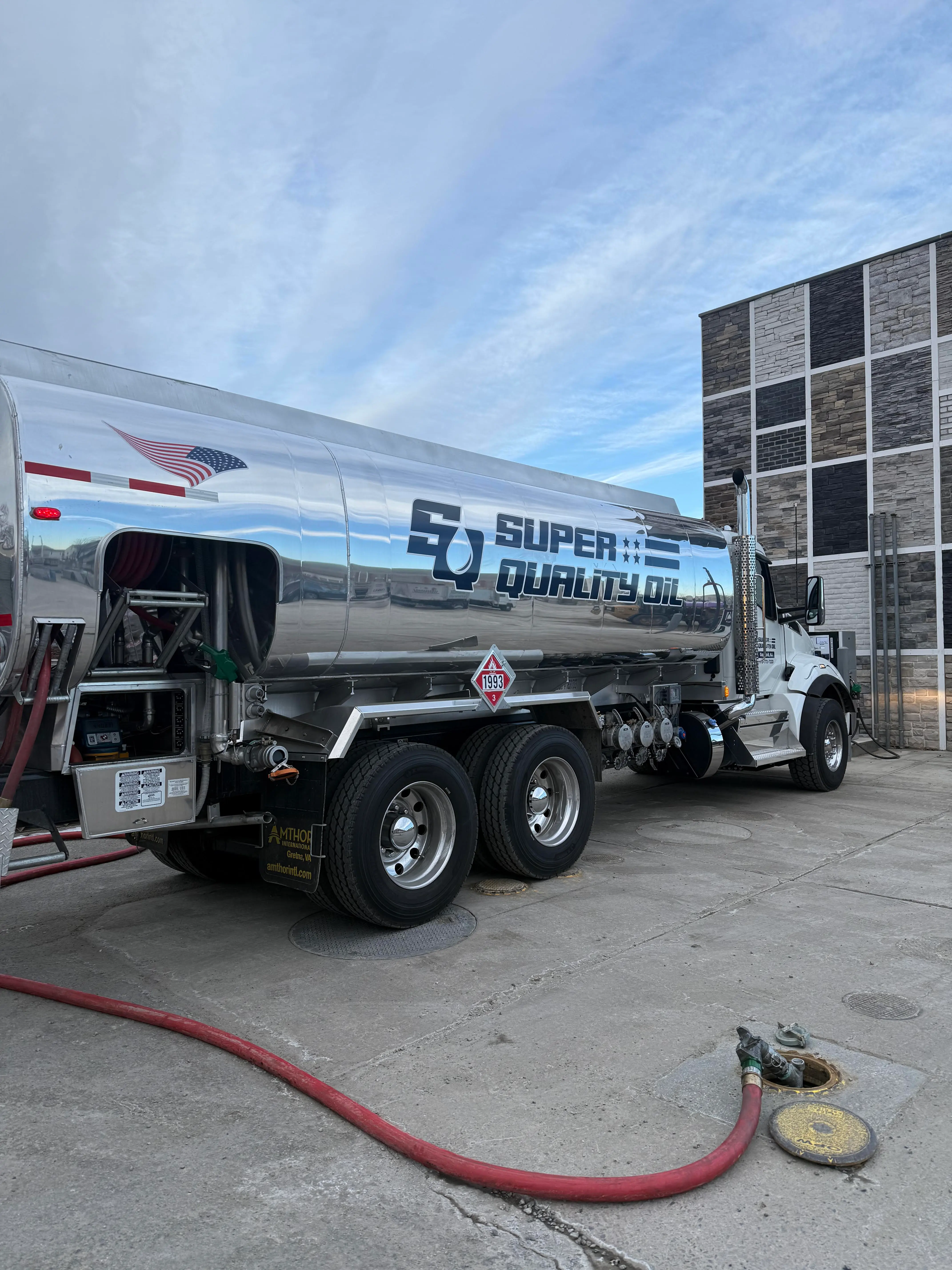
Super Quality Oil helps contractors reduce fuel loss and improve accountability through bulk fuel delivery services, fuel management services, fuel tank rental services, and on-site fueling solutions designed for commercial operations across New Jersey and New York City.
Why Fuel Theft Is a Growing Problem
Fuel theft affects more than just fuel inventory. It impacts project costs, scheduling, and overall operational efficiency.
Construction sites are particularly vulnerable because they often contain:
- Large diesel storage tanks
- Unattended equipment overnight
- Multiple subcontractors and operators
- Temporary site setups with limited security
Projects along Route 35, Route 18, and industrial areas near Newark and Paterson can be especially vulnerable due to high activity levels and equipment concentration.
As diesel prices fluctuate, fuel theft becomes an even larger concern for contractors trying to control operating expenses.
Common Types of Fuel Theft on Job Sites
Fuel theft does not always involve large-scale incidents. In many cases, smaller recurring losses create long-term financial impact.
Fuel Siphoning
This is one of the most common forms of theft. Fuel is manually removed from equipment or storage tanks, often overnight.
Unauthorized Equipment Fueling
Fuel intended for job site equipment may be used to fill personal vehicles or unauthorized machinery.
Untracked Fuel Usage
Without monitoring systems, it can be difficult to determine whether fuel loss is due to theft, inefficient equipment usage, or operational waste.
Delivery and Inventory Discrepancies
Inconsistent tracking can make it difficult to identify where fuel losses are occurring across multiple projects.
The Real Cost of Fuel Theft
Many contractors underestimate how much fuel theft affects operations over time.
Increased Operating Costs
Even small amounts of fuel loss become expensive when repeated over weeks or months.
Project Delays
If fuel levels drop unexpectedly, equipment may not have enough diesel to operate during scheduled shifts.
Reduced Profit Margins
Fuel is already a major operational expense. Theft further reduces profitability on projects with tight budgets.
Scheduling and Planning Issues
Unexpected fuel shortages create unnecessary emergency deliveries and logistical challenges.
For contractors managing projects across Monmouth County and North Jersey, these disruptions can affect multiple crews and job sites simultaneously.
How Contractors Can Prevent Fuel Theft
Reducing fuel theft requires a combination of planning, monitoring, and controlled fueling systems.
1. Use Secure On-Site Fuel Storage
Using properly secured tanks through fuel tank rental services helps reduce unauthorized access.
Secure fuel storage solutions may include:
- Lockable tanks
- Controlled dispensing systems
- Strategically placed storage areas
- Reduced public visibility
For larger projects in Tinton Falls and Eatontown, secure on-site storage is essential.
2. Implement Fuel Monitoring Systems
One of the most effective ways to reduce fuel theft is through fuel management services.
Fuel monitoring systems provide:
- Real-time fuel level tracking
- Usage reporting
- Alerts for sudden drops in fuel levels
- Visibility across multiple job sites
This allows contractors to quickly identify unusual fuel activity before losses escalate.
3. Schedule Consistent Fuel Deliveries
Using structured bulk fuel delivery services reduces the need for excessive fuel storage and helps maintain predictable inventory levels.
This creates better accountability and simplifies tracking.
4. Limit Fuel Access
Only authorized personnel should have access to fuel tanks and dispensing equipment.
Best practices include:
- Assigning fueling responsibilities
- Limiting access points
- Monitoring fuel dispensing activity
5. Use On-Site Fueling Services
With equipment fueling services, fuel is delivered directly into equipment by trained fueling providers.
This reduces the need for multiple workers to access fuel storage and improves accountability.
Why Fuel Tracking Matters on Large Job Sites
Fuel management becomes more difficult as projects scale.
Contractors operating across:
- Tinton Falls
- Long Branch
- Newark
- Paterson
- Red Bank
often manage multiple crews and machines simultaneously.
Without centralized tracking, fuel losses can go unnoticed for extended periods.
Using monitoring systems creates visibility into:
- Daily fuel usage
- Equipment consumption patterns
- Delivery schedules
- Inventory levels
This improves operational control and reduces unnecessary fuel costs.
Real-World Scenarios
Infrastructure Projects
Large infrastructure projects along Route 18 and the Garden State Parkway often require significant on-site fuel storage, making security especially important.
Commercial Construction
Projects in Oceanport and Eatontown may involve multiple subcontractors accessing the site daily, increasing the need for controlled fueling procedures.
Urban Job Sites
In Newark and Paterson, busy environments and overnight equipment storage can increase exposure to theft risks.
Frequently Asked Questions
How common is fuel theft on construction sites?
Fuel theft is a common issue, especially on larger projects with on-site diesel storage and overnight equipment.
What is the best way to track fuel usage?
Using fuel management services provides real-time visibility into fuel levels and consumption.
Does on-site fueling reduce theft risk?
Yes. On-site fueling reduces the number of people accessing fuel storage and improves accountability.
Can fuel monitoring systems detect theft?
Monitoring systems can identify unusual fuel activity and sudden inventory changes, helping contractors respond quickly.
Closing
Fuel theft creates unnecessary costs, delays, and operational challenges for construction companies. Contractors across New Jersey and New York City need structured fueling systems that improve visibility and reduce risk.
Super Quality Oil helps contractors protect fuel inventory through bulk fuel delivery, fuel management systems, fuel tank rentals, and on-site fueling services designed to support efficient job site operations.
.webp)
.webp)
.webp)
.webp)


.svg)

.svg)

.svg)
