When Should You Schedule Bulk Fuel Delivery for a Project?


Created Date
24 July , 2026
INTRODUCTION
When Should You Schedule Bulk Fuel Delivery for a Project?
Timing fuel delivery correctly is one of the most important factors in keeping a construction project running efficiently. Schedule too late, and equipment runs out of diesel. Schedule too early, and you risk over-ordering, storage challenges, or inefficient fuel usage.
For contractors working across Tinton Falls, Eatontown, Long Branch, Oceanport, Red Bank, Neptune, Newark, and Paterson, fuel demand is constantly shifting based on project phase, equipment usage, and timelines. Without a clear delivery strategy, even well-managed job sites can run into avoidable delays.
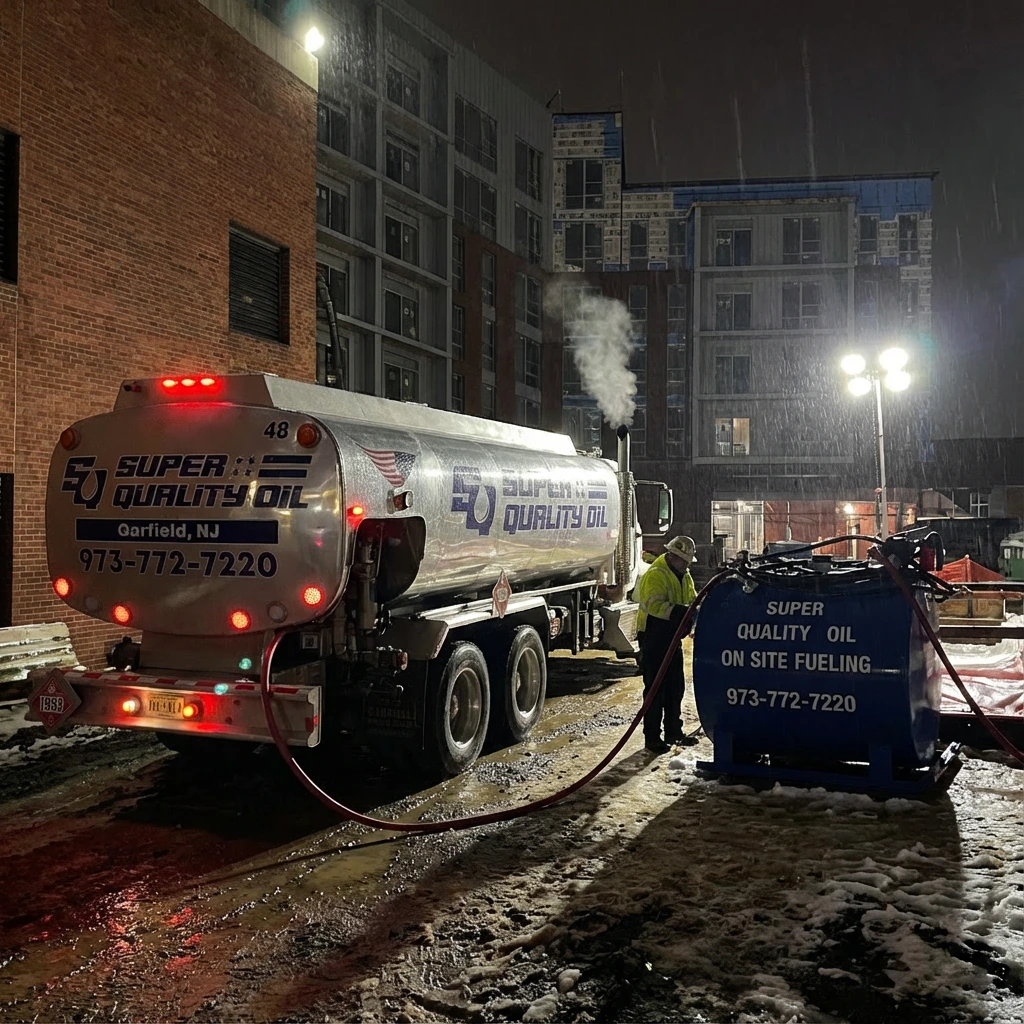
Super Quality Oil helps contractors stay ahead of fuel demand with bulk fuel delivery, on-site fueling, fuel tank rentals, and fuel management services across New Jersey and New York City.
Why Fuel Delivery Timing Matters
Fuel is not just another supply. It directly determines whether work can continue.
Improper timing can lead to:
- Equipment sitting idle during active work hours
- Crews waiting for refueling
- Emergency fuel orders at higher cost
- Inefficient use of storage capacity
- Disruptions to project timelines
Projects in fast-paced environments like Eatontown commercial builds or Newark infrastructure work often have little margin for error when it comes to fuel availability.
Understanding Fuel Demand Throughout a Project
Fuel usage is not consistent from start to finish. It changes depending on the phase of construction.
Early Phase and Site Work
This stage typically involves heavy excavation, grading, and land clearing. Equipment runs for long hours, and fuel demand is at its highest.
Projects in Tinton Falls and Oceanport often see peak diesel usage during this phase.
Mid-Project Construction
As structures begin to take shape, fuel usage stabilizes. There are still multiple machines running, but demand becomes more predictable.
Finishing Phase
Fuel demand decreases as fewer machines are needed. However, generators and support equipment may still require consistent diesel supply.
Key Moments to Schedule Bulk Fuel Delivery
Before Project Start
Ensuring fuel is on-site before the first day of work prevents delays from the beginning. Starting without adequate diesel supply can immediately put a project behind schedule.
During Peak Equipment Usage
During heavy excavation or high-production phases, fuel deliveries should be more frequent to keep up with demand.
Using Bulk Fuel Delivery Services allows contractors to scale deliveries based on usage.
Before Extended Work Periods
If crews are working overtime, weekends, or extended shifts, additional fuel should be scheduled in advance to avoid interruptions.
When Expanding to Multiple Job Sites
Contractors managing projects across Monmouth County and North Jersey often need coordinated deliveries across several locations. Proper scheduling ensures each site remains operational.
Building a Scalable Fuel Delivery Plan
Use On-Site Fuel Storage
Maintaining diesel on-site through Fuel Tank Rental Services provides flexibility and reduces reliance on last-minute deliveries.
Implement Fuel Monitoring
Using Fuel Management Services allows contractors to track fuel levels and adjust delivery schedules proactively.
This helps:
- Prevent shortages
- Reduce over-ordering
- Improve efficiency
Combine Delivery with On-Site Fueling
With Equipment Fueling Services, fuel can be delivered directly to equipment, further streamlining operations.
Real-World Scenarios
Infrastructure Projects
Work along Route 35, Route 18, and the Garden State Parkway requires continuous fuel supply to support multiple crews and machines.
Commercial Construction
Projects in Eatontown, Long Branch, and Red Bank often involve multiple phases, each with different fuel demands.
Urban Job Sites
In Newark and Paterson, tight spaces and high activity levels make precise delivery scheduling critical.
Frequently Asked Questions
How often should bulk fuel delivery be scheduled?
Most contractors schedule deliveries weekly or biweekly, adjusting based on fuel usage.
Can fuel delivery schedules change during a project?
Yes. Delivery frequency should be adjusted based on equipment usage and project phase.
What happens if fuel delivery is delayed?
Delayed deliveries can lead to downtime, missed deadlines, and increased costs.
Closing
Scheduling fuel delivery correctly is essential for maintaining productivity and avoiding costly delays. Contractors across New Jersey and NYC rely on Super Quality Oil for dependable, scalable fuel delivery solutions.
.webp)
.webp)
.webp)
.webp)


.svg)

.svg)

.svg)
