What Happens When a Job Site Runs Out of Diesel?


Created Date
24 July , 2026
INTRODUCTION
What Happens When a Job Site Runs Out of Diesel?
Running out of diesel on a construction job site is not just a minor inconvenience. It is one of the fastest ways to bring productivity to a halt, increase operational costs, and create scheduling problems that ripple across an entire project.
For contractors operating across Tinton Falls, Eatontown, Long Branch, Oceanport, Red Bank, Neptune, Newark, and Paterson, fuel shortages are a real operational risk. Whether it’s a commercial build along Route 35, infrastructure work near the Garden State Parkway, or utility projects in dense urban areas, every piece of equipment on-site depends on a consistent diesel supply.
When that supply is interrupted, everything slows down.
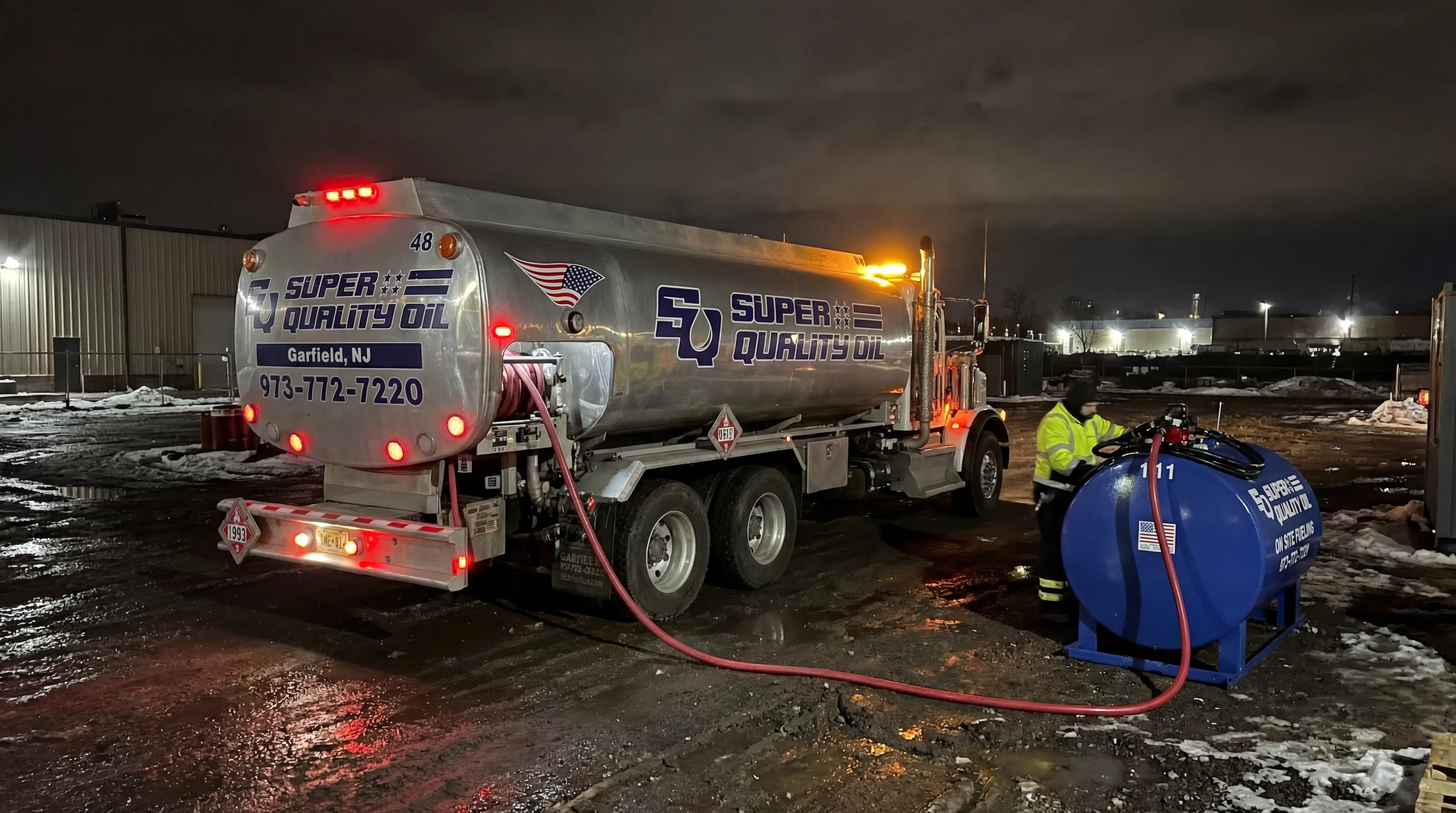
Super Quality Oil works with construction companies across New Jersey and New York City to prevent and resolve these situations through bulk fuel delivery, on-site fueling, fuel tank rentals, fuel management systems, and emergency fuel delivery.
Why Diesel Supply Is Critical on Active Job Sites
Construction equipment does not operate in isolation. A single job site may have:
- Excavators running continuously
- Loaders moving materials throughout the day
- Skid steers handling precision work
- Generators powering temporary infrastructure
- Service trucks supporting crews
Each of these relies on diesel, and most operate for extended hours.
On projects across Monmouth County, Newark, and Paterson, it is common for equipment to run 8 to 12 hours per day, sometimes longer during peak phases. That means even a small miscalculation in fuel planning can lead to a shortage before the end of a shift.
Unlike other resources, fuel is not something you can substitute or delay. When it runs out, work stops immediately.
The Immediate Impact of Running Out of Diesel
When a job site runs out of fuel, the effects are immediate and visible across the entire operation.
Equipment Shutdown
The most obvious issue is that machinery stops working. Excavators, loaders, and generators cannot operate without diesel, which brings critical tasks to a standstill.
Crew Downtime
Operators and labor crews are forced to wait. Even if only one machine runs out of fuel, it can disrupt multiple workflows, especially on tightly coordinated job sites.
Delayed Progress
Tasks that were scheduled for that day may not be completed. This can push back inspections, material deliveries, and the work of subcontractors.
Disrupted Workflow
Construction projects rely on sequencing. When one part of the process is delayed, it affects everything that follows.
On high-activity sites in Eatontown, Long Branch, or Newark, these disruptions can escalate quickly.
The Hidden Costs of Fuel Shortages
The real cost of running out of diesel goes far beyond the time lost during the outage.
Increased Labor Costs
Crews are still being paid even when equipment is not running. This leads to higher labor costs without any progress being made.
Project Delays
Missed deadlines can lead to penalties, strained client relationships, and scheduling conflicts with other trades.
Equipment Inefficiency
Repeated shutdowns and restarts can place unnecessary strain on machinery, potentially leading to maintenance issues over time.
Emergency Logistics
Scrambling to find fuel at the last minute often leads to inefficient solutions, including sending operators off-site or paying premium rates for rushed deliveries.
For contractors working on projects across Tinton Falls or along Route 18, these costs can add up quickly and impact overall profitability.
How Contractors Recover from Fuel Shortages
When a fuel shortage occurs, the priority is restoring operations as quickly as possible.
Emergency Fuel Delivery
The fastest solution is emergency diesel delivery, where fuel is dispatched directly to the job site.
This allows:
- Equipment to be refueled immediately
- Crews to resume work
- Project timelines to stabilize
Super Quality Oil provides rapid response fueling to job sites across New Jersey and NYC, helping contractors minimize downtime.
How to Prevent Fuel Shortages on Construction Sites
While emergency delivery solves immediate problems, prevention is what keeps projects running smoothly.
1. Schedule Consistent Fuel Deliveries
Using Bulk Fuel Delivery Services ensures that diesel is delivered on a predictable schedule based on your job site’s consumption.
This eliminates the guesswork and reduces the risk of running out unexpectedly.
2. Implement On-Site Equipment Fueling
With Equipment Fueling Services, fuel is delivered directly to machines on-site.
This approach:
- Eliminates trips to fuel stations
- Keeps operators focused on work
- Allows fueling during off-hours or downtime
For projects in Oceanport or Neptune, this can significantly improve daily efficiency.
3. Use On-Site Fuel Storage
Maintaining diesel on-site through Fuel Tank Rental Services provides a reliable buffer against shortages.
Benefits include:
- Immediate access to fuel
- Reduced reliance on daily deliveries
- Flexibility for changing project demands
This is especially important for larger projects in Tinton Falls and Eatontown.
4. Monitor Fuel Usage in Real Time
Tracking fuel levels is one of the most effective ways to prevent shortages.
Using Fuel Management Services allows contractors to:
- Monitor tank levels
- Track consumption trends
- Schedule deliveries proactively
- Avoid over-ordering or underestimating needs
For companies managing multiple sites across Monmouth County and North Jersey, this visibility is essential.
5. Plan for Peak Demand Periods
Fuel usage is not constant throughout a project. Certain phases require more equipment and longer operating hours.
Planning ahead for these periods ensures that fuel supply keeps up with demand.
Real-World Job Site Scenarios
Contractors across New Jersey encounter fuel challenges in a variety of situations.
Infrastructure Projects
Work along Route 35, Route 36, and the Garden State Parkway often involves multiple crews and continuous equipment use, increasing fuel demand.
Commercial Developments
Projects in Tinton Falls, Eatontown, and Oceanport may scale quickly, requiring adjustments to fuel delivery schedules.
Urban Construction
In cities like Newark and Paterson, limited space and high activity levels make efficient fuel delivery even more important.
Frequently Asked Questions
What should I do if my job site runs out of diesel?
The fastest solution is to request emergency fuel delivery to restore operations and minimize downtime.
How can I avoid running out of fuel?
Using scheduled bulk fuel delivery, on-site storage, and fuel monitoring systems helps ensure consistent supply.
Is on-site fueling more efficient than using gas stations?
Yes. On-site fueling reduces travel time and keeps equipment operators focused on the job.
How do I track fuel usage across multiple job sites?
Fuel monitoring systems provide real-time data on fuel levels and usage, making it easier to manage supply across locations.
Closing
Running out of diesel can disrupt every aspect of a construction project, from daily productivity to overall timelines and costs. Contractors working across Tinton Falls, Eatontown, Long Branch, Oceanport, Red Bank, Neptune, Newark, and Paterson need a reliable fueling strategy to keep operations running smoothly.
Super Quality Oil provides bulk fuel delivery, on-site fueling, fuel tank rentals, fuel management, and emergency fuel delivery to ensure job sites stay fueled and on schedule.
.webp)
.webp)
.webp)
.webp)


.svg)

.svg)

.svg)
