How Fuel Planning Prevents Construction Delays


Created Date
24 July , 2026
INTRODUCTION
How Fuel Planning Prevents Construction Delays
Construction delays are often blamed on weather, material shortages, permit issues, or labor availability. While these factors certainly play a role, one of the most preventable causes of lost productivity is poor fuel planning.
Fuel is the lifeblood of nearly every construction project. Excavators, bulldozers, skid steers, cranes, generators, compressors, and support vehicles all rely on a consistent fuel supply to keep work progressing. When fuel isn't available at the right place and the right time, productivity slows, crews wait, and schedules begin to slip.
The most successful contractors don't treat fuel as an afterthought. Instead, they build fuel planning into their overall project management strategy from day one.
Whether managing commercial developments in Newark, infrastructure improvements in Paterson, or active job sites throughout Tinton Falls, Eatontown, Long Branch, Oceanport, and the greater Monmouth County region, proactive fuel planning helps contractors maintain momentum from groundbreaking through project completion.
Why Fuel Planning Matters
Many contractors estimate labor, equipment, and materials down to the dollar but spend very little time planning how fuel will be managed throughout the project.
That oversight can create unnecessary risk.
Every machine on a construction site depends on diesel fuel. If that supply becomes inconsistent, work slows almost immediately.
Proper fuel planning helps contractors:
- Keep equipment operating throughout the workday
- Reduce costly downtime
- Improve labor productivity
- Prevent emergency fuel situations
- Better forecast operating expenses
- Maintain project schedules
Fuel planning isn't simply about ordering diesel. It's about ensuring fuel is available exactly when and where it's needed.
The Hidden Costs of Reactive Fuel Management
Many companies operate reactively.
They wait until a tank is nearly empty before scheduling a delivery or send operators to local fuel stations whenever equipment runs low.
While this may seem manageable on smaller projects, it becomes increasingly expensive as operations grow.
Reactive fueling often leads to:
Lost Production Time
Every trip to a retail fuel station removes equipment or personnel from productive work.
Even short trips can add up to dozens of lost labor hours over the course of a project.
Scheduling Conflicts
Waiting until the last minute leaves little room for unexpected events.
Traffic, weather, equipment breakdowns, or increased fuel usage can all delay deliveries and interrupt operations.
Higher Operating Costs
Emergency deliveries often require immediate scheduling and can disrupt an otherwise efficient workflow.
Planning ahead helps contractors avoid unnecessary expenses while improving operational efficiency.
What Effective Fuel Planning Looks Like
Successful fuel planning starts before equipment ever arrives on-site.
Estimate Fuel Consumption
Every project has different fuel requirements based on:
- Equipment type
- Number of machines
- Daily operating hours
- Seasonal conditions
- Project duration
Understanding estimated fuel consumption allows contractors to develop a realistic delivery schedule.
Schedule Regular Deliveries
Rather than waiting until tanks are nearly empty, many contractors establish recurring fuel deliveries throughout the project.
Scheduled deliveries help maintain consistent inventory while reducing the likelihood of interruptions.
This approach also allows project managers to focus on construction rather than constantly monitoring fuel levels.
Maintain On-Site Fuel Storage
For larger commercial projects, keeping diesel on-site improves efficiency.
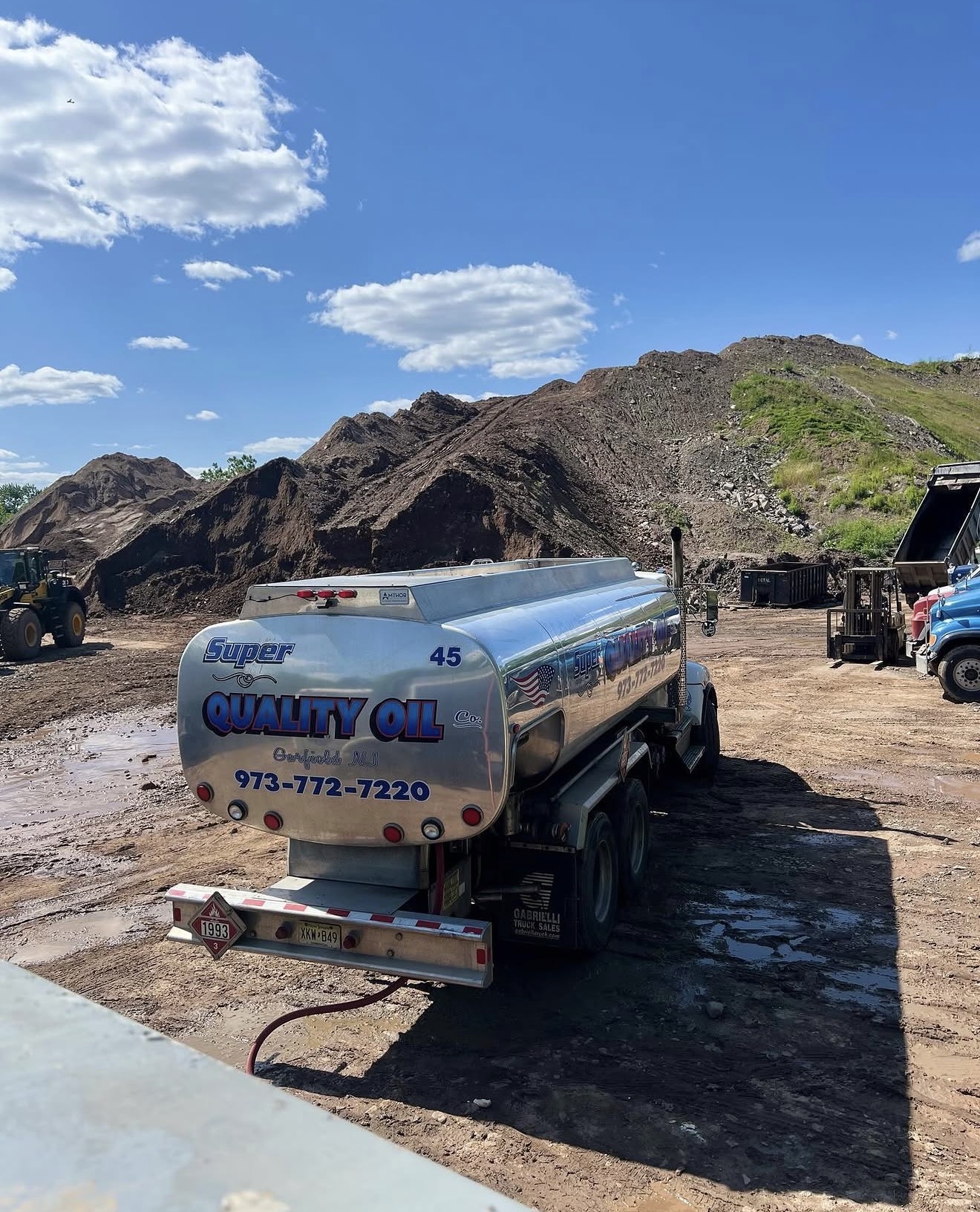
Temporary fuel tanks provide immediate access to fuel while reducing unnecessary travel and improving logistics.
Benefits include:
- Faster refueling
- Reduced downtime
- Improved productivity
- Better inventory management
- Increased flexibility
Fuel Equipment During Off-Hours
Many contractors choose to fuel equipment overnight or before crews arrive each morning.
This simple adjustment eliminates unnecessary interruptions during the workday and ensures every machine starts fully fueled.
Operators spend more time working and less time waiting.
Fuel Planning Supports Every Phase of Construction
Fuel planning isn't only important during excavation.
Every stage of a project relies on dependable fuel access.
Site Preparation
Earthmoving equipment operates continuously during early project phases.
Interruptions during excavation often impact every trade that follows.
Utility Installation
Utility contractors frequently operate multiple pieces of heavy equipment simultaneously.
Coordinated fuel deliveries keep installation schedules moving efficiently.
Concrete and Structural Work
Generators, pumps, compressors, and supporting equipment all depend on reliable fuel supplies.
Even minor interruptions can affect scheduling for multiple subcontractors.
Final Site Work
Landscaping, paving, grading, and cleanup operations continue relying on diesel-powered equipment until project completion.
Fuel planning remains important from beginning to end.
Fuel Planning Becomes Even More Important as Companies Grow
As contractors expand, fuel logistics become increasingly complex.
Instead of managing one project, companies often oversee multiple active job sites across New Jersey.
Projects in Newark, Jersey City, Paterson, Tinton Falls, Long Branch, Eatontown, Oceanport, and surrounding communities may all require fuel deliveries within the same week.
Without a structured fueling strategy, coordinating deliveries becomes increasingly difficult.
Fuel management systems allow contractors to monitor fuel usage, schedule deliveries, and maintain inventory across multiple locations.
Why Contractors Choose Super Quality Oil
Reliable fuel delivery isn't just about transporting diesel.
It's about supporting project success.
Super Quality Oil helps commercial contractors improve efficiency through:
- Scheduled Bulk Fuel Delivery
- On-Site Equipment Fueling
- Fleet Fueling
- Fuel Tank Rentals
- Fuel Management Services
- Emergency Fuel Delivery
These services help construction companies reduce downtime, improve scheduling, and maintain consistent productivity across projects throughout New Jersey and New York City.
Frequently Asked Questions
Why is fuel planning important for construction projects?
Fuel planning helps prevent equipment downtime, improve scheduling, and reduce unexpected project delays.
How often should fuel deliveries be scheduled?
Delivery schedules depend on equipment usage, project size, and fuel consumption. Many contractors establish recurring deliveries to maintain consistent inventory.
Does on-site fueling improve productivity?
Yes. On-site fueling eliminates unnecessary trips to fuel stations and keeps equipment operating throughout the workday.
Should construction sites use temporary fuel tanks?
Many larger projects benefit from temporary fuel storage because it improves logistics, reduces downtime, and simplifies fuel management.
Can fuel planning reduce operating costs?
Absolutely. Proper planning reduces emergency deliveries, improves labor efficiency, minimizes downtime, and helps contractors better manage fuel inventory.
Plan Fuel Before It Becomes a Problem
Fuel should never be the reason a project falls behind schedule.
By developing a proactive fueling strategy that includes scheduled deliveries, on-site fueling, temporary fuel storage, and fuel management, contractors can reduce downtime and keep projects moving efficiently from start to finish.
Whether you're managing one project or multiple job sites across New Jersey and New York City, working with an experienced commercial fuel supplier helps ensure fuel is always available when your crews need it most.
.webp)
.webp)
.webp)
.webp)


.svg)

.svg)

.svg)
